

Most small shops already live on WhatsApp. Customers ask about timings, stock, prices and orders there, and they expect an answer in the same chat. The question is not whether WhatsApp matters for your shop. It is whether the free app you already use is enough, or whether a custom bot built for your shop would genuinely save you time.
The two products are often confused, so start with the plain difference. The WhatsApp Business app is a free app on a phone. You or your team reply by hand, with help from a business profile, greeting and away messages, quick replies for common answers, labels for sorting chats, and a catalogue for showing products. A custom bot is different. It runs on the WhatsApp Business Platform, the API product from Meta, and it replies, asks follow-up questions, takes bookings and records information on its own, following the rules and answers you have taught it. It still works inside the same WhatsApp your customers already use. What changes is who does the repeating work.
Start with the app if this sounds like your shop
Stay with the free app if one or two people handle the chats, the number of messages each day is easy to keep up with, and most questions are different from each other. A tailor who answers a handful of detailed enquiries a day, a baker taking orders by chat, or a small clinic confirming appointments one by one will often get everything they need from the app alone. Quick replies cover the answers that do repeat, labels keep orders and enquiries apart, and away messages set expectations after hours.
The app is also the right starting point when you are not yet sure what a bot would do for you. A few weeks of labels will show you the truth: if the same five questions keep appearing, you have a bot case. If every conversation is genuinely different, you do not. There is no prize for automating a job that barely repeats.
Move to a custom bot when the same work repeats all day
A custom bot earns its place when volume or repetition stops being manageable. The signs are easy to recognise. Messages pile up after closing time and sit unanswered until morning. The same questions about timings, delivery, stock or prices arrive in different words all day. Bookings and orders need the same details collected again and again. A ledger entry, a reminder or a follow-up depends on someone remembering to send it.
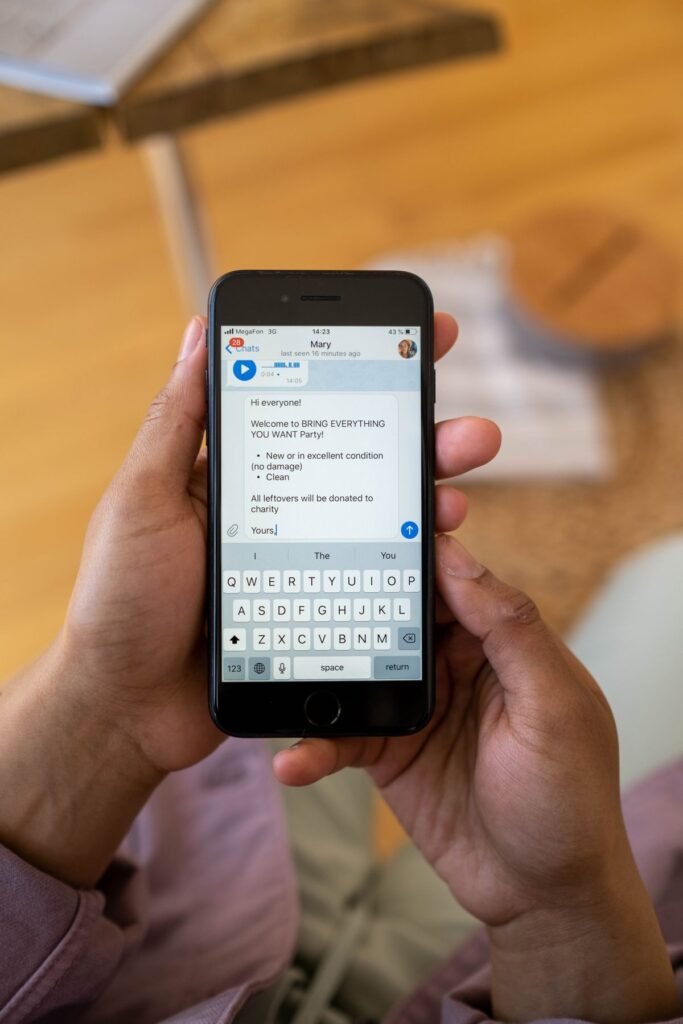
In that situation a bot does more than reply faster. It answers the repeat questions at any hour, in the language your customers actually write in, including Roman Urdu and voice notes where the bot is built for them. It collects booking details in order instead of in a scattered chat. It can record an entry at the moment of the conversation, which is exactly how our own AI Munshi ledger bot works: a shopkeeper sends a plain message or a voice note about udhaar given or paid back, and the bot writes the entry and works out the balance. You can read how that ledger works in our post on how a WhatsApp ledger bot keeps a small shop’s udhaar book, and you can try the AI Munshi live demo in your browser to feel how an entry lands.
A bot also keeps working when your team cannot. It does not go home, take a day off or forget the follow-up. That matters most for shops where late replies lose customers, which is the first job we covered in our guide to what a WhatsApp chatbot can do beyond auto-replies.
The honest limits on both sides
Neither option does everything. The free app cannot run a chatbot, connect to your other tools, or let a larger team work from one number with proper roles. Once several staff need to answer from the same number, or chats need to flow into a sheet, a booking system or an order record, the app has reached its limit.
A custom bot has limits too, and a good provider will say so before you pay anything. A bot cannot negotiate, handle a complicated complaint, or answer a question outside what it has been taught. When a conversation leaves its knowledge, the right behaviour is a plain handover to a human with the full thread attached, not a confident guess. A bot also needs real setup work: the Platform, a dedicated number, approved message templates for messages your business sends first, and the answers, bookings and ledger rules built and tested before launch. If a seller promises a bot that knows everything on day one, that is a warning sign, not a selling point.
Cost is the other honest difference. The app itself is free to use. A Platform bot has costs behind it: the build, the platform or provider service, and Meta’s per-message charges for the messages your business sends. Those charges vary by country and message type and they change from time to time, so any budget should be checked against Meta’s current rate card and the provider’s own fees before you commit. Our guide to what a WhatsApp chatbot costs for a small business breaks down what a quote is actually made of, without publishing a Digilistan price, because a fair price depends on the scope of your shop’s bot.
A simple decision test
Answer these five questions honestly, and the choice usually makes itself.
- How many customer messages arrive on a busy day, and can one person answer them all well?
- How many of those messages are the same questions in different words?
- Do bookings, orders or ledger entries need the same details collected every time?
- Do messages arrive after hours and wait until morning?
- Does more than one person need to answer from the same number, or do chats need to reach another tool?
If your answers are mostly small numbers and mostly different questions, the free app is doing its job. Keep it, use labels and quick replies properly, and revisit the question when volume grows. If your answers show repeat questions, repeat details and after-hours pile-ups, a custom bot is worth a proper conversation, starting with the one job that repeats most in your week.
What to do next
Do not start by shopping for a bot. Start by watching your own chats for one week. Count the repeat questions, the bookings that needed chasing, and the entries that were written down late. That count is your business case, and it also tells a builder exactly what to build first. Automate one job well before adding a second. A single workflow you can watch working teaches you what to automate next, while five half-built ones teach you only that automation is disappointing.
If the count points to a bot, talk to a builder about that one job first, ask how handover to a human works, ask what the bot will not do, and ask how messaging charges are billed. If it points to the app, that is a good outcome too. The cheapest tool that does the job properly is the right tool, and a shop that answers its customers well by hand has nothing to apologise for.
Our team builds WhatsApp bots and AI automation for small businesses, and we are easy to reach through our AI automation services page if you would like to talk through which side of this choice your shop sits on.